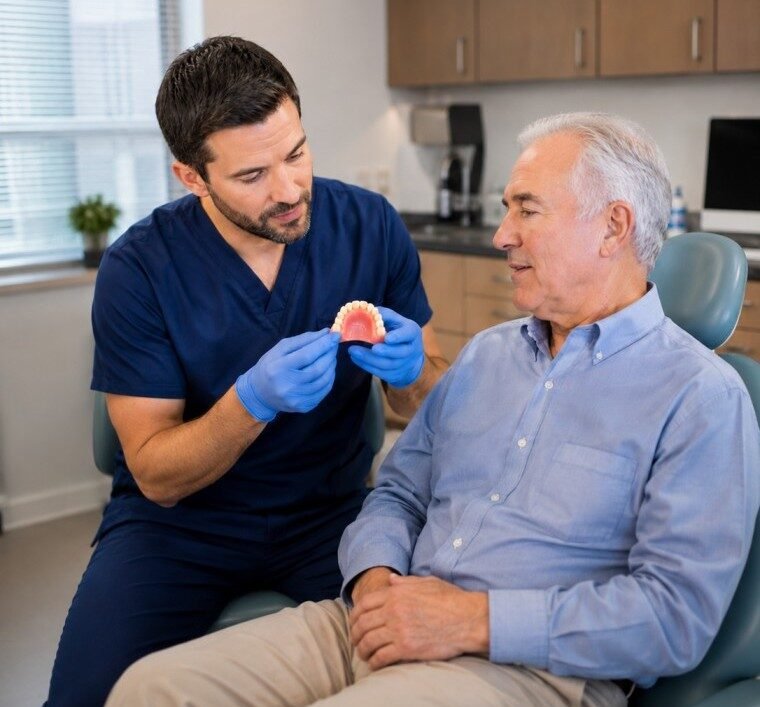
The fear most people carry about root canals is rooted in a mix-up that dentists encounter constantly. The throbbing, the sensitivity and the ache that disrupts sleep are mostly caused by the infection inside the tooth. Root canal therapy is what ends this infection and its symptoms. The procedure that patients dread is the one that delivers the relief they came looking for.
That distinction is worth holding onto, because it changes the entire framing of the experience.

What Makes Root Canal Therapy Necessary
Inside every tooth, beneath the hard exterior, is a soft tissue called the pulp. It contains nerves, blood vessels, and connective tissue, and it plays an important role in tooth development, however in adults, the pulp is not essential to the tooth’s function.
Problems begin when bacteria reach the pulp, usually through deep decay, a crack in the tooth, or a compromised dental filling. Once inside, bacteria cause a dental pulp infection.
The pulp becomes inflamed, then infected, and eventually dies. The infection does not stay contained and it spreads toward the tip of the root and into the surrounding bone, where it can form an abscess.
Root canal therapy cleans the infected pulp tissue out of the tooth’s interior, disinfects the canals, and seals everything so the infection cannot return. The tooth itself is preserved and a crown is placed afterward to protect the treated tooth.
What Happens During a Root Canal
The procedure follows a clear sequence.
Local anesthesia is administered first, numbing the tooth and the surrounding tissue completely. This is where most patients realize the procedure is significantly less uncomfortable than the infection that preceded it.
Once the area is numb, a small opening is made in the top of the tooth to access the pulp chamber and the root canals below. The infected pulp tissue is removed using small instruments that clean and shape each canal. The canals are irrigated to remove debris and bacteria. The cleaned space is then filled with a material called gutta-percha and sealed.
Most root canal therapy appointments take between 60 and 90 minutes depending on which tooth is being treated and how many canals it has. Molars have more canals than front teeth, which means they take longer. In some cases, a second appointment is needed to complete the treatment.
A dental crown is placed after the root canal is complete to restore the tooth’s strength and protect it from fracture during normal chewing.
Does Root Canal Therapy Hurt?
The direct answer is no; not the procedure itself. The anesthesia used during root canal treatment blocks sensation effectively, and most patients describe feeling pressure and movement but not pain during the appointment. T
The discomfort that people associate with root canals is almost always the pain of the infection beforehand, not the treatment.
Some tenderness after the appointment is normal and expected. The tissue around the tooth has been inflamed, and that inflammation does not resolve instantly once the source is removed.
Over-the-counter pain relief manages this well for most patients, and it typically settles within a few days.
A Patient Scenario Worth Understanding
Dr. Deepak Gupta at Flower City Dental of Gates describes a presentation that is common in practice.
“A patient came in with tooth pain that had been present, on and off, for several weeks. The sensitivity to hot and cold had been noticeable for longer than that, but the patient had delayed coming in specifically because they were concerned about being told they needed a root canal. By the time of the evaluation, the infection had progressed and the pulp was no longer viable. Root canal therapy was the right course of treatment.”
The patient completed the treatment and reported that the procedure itself was far less difficult than the weeks of intermittent pain that preceded it.
This scenario, in different variations, represents a pattern that dental infection treatment Gates NY practices see regularly. Patients delay care because of fear of the procedure, not realizing that the procedure is the source of relief.
Recovery: What to Expect
How long does root canal recovery take? For most patients, the answer is a couple days of mild soreness followed by a return to normal function. The tooth may feel slightly sensitive to biting pressure for a week or so as the surrounding tissue heals. This is normal and does not indicate a problem with the treatment.
Eating soft foods and avoiding chewing on the treated tooth until the final crown is placed is the main aftercare instruction. The temporary seal placed after the root canal is not as strong as the final crown, so treating it with care in the interim protects the work that was done.
Fever, worsening swelling, or pain that intensifies rather than gradually improving after the procedure are worth reporting promptly. These are uncommon but represent situations the clinical team needs to know about.
A Practical Guide: Signs That May Point to a Root Canal
Tooth pain that lingers after exposure to hot or cold, beyond the brief sensitivity that resolves quickly, is one of the more reliable indicators that the pulp may be involved. Pain that is deep, throbbing, or difficult to localize precisely in the jaw is another. Tenderness or pain when biting down on the tooth, swelling or a pimple-like bump on the gum near a tooth, and tooth discoloration that has developed without obvious cause are all symptoms worth having evaluated.
Not every case presenting with these signs will require root canal therapy. Some will turn out to be deep decay without pulp involvement, or reversible inflammation that resolves with less invasive treatment. The evaluation is what determines which situation you are actually in and the only way to get tooth pain relief in Rochester.
Dr. Deepak Gupta and the team at Flower City Dental of Gates approach endodontic treatment with the understanding that most patient anxiety about this procedure comes from not knowing what to expect and that the best way to address that is straightforward explanation.
The practice is open Monday through Thursday at 2765 Buffalo Road, Suite #2, Rochester, NY 14624.
For urgent tooth pain, the practice also tends to emergency cases to treat issues without unnecessary delay. Call 585-485-0292 or visit flowercitydentalofgates.com to book an appointment.