If you want to improve a chip, close a small gap, or balance uneven teeth, you may be considering bonding or veneers. Both change tooth shape and color, but their preparation, materials, cost, and maintenance differ.
Dental bonding adds tooth-colored composite resin directly to a tooth. A veneer covers the front surface with porcelain or composite material. The appropriate choice depends on tooth health, the extent of the change, your bite, and your expectations.
An examination comes first because decay, gum inflammation, cracks, or bite problems may require treatment before cosmetic work.
What Dental Bonding Can Change
The dentist applies composite resin, shapes it, hardens it with a curing light, and polishes it. Bonding often treats a small chip, narrow gap, worn edge, uneven contour, or limited discoloration.
Because the restoration is made directly on the tooth, many limited cases take one visit. Little or no enamel may be removed, depending on the tooth and planned result.
Composite can often be adjusted or repaired. It may also stain, lose polish, or chip, particularly where biting force is heavy.
What Dental Veneers Can Change
Dental veneers are thin coverings placed over the front of teeth. They may be porcelain or composite, and the materials perform differently.
Custom porcelain veneers can address broader changes in shape, color, proportion, and symmetry. They resist stains better than direct composite but usually require some enamel removal. Because enamel does not grow back, treatment is a long-term commitment.
Composite veneers use resin similar to bonding. They may require less preparation and be easier to repair, but they usually resist stains and wear less effectively than porcelain. Ask which veneer material is being discussed.
Six Factors That Guide the Decision
1. How Much Healthy Enamel Can Be Preserved?
Bonding often requires minimal preparation. Porcelain veneers usually need some enamel reduction to create space and a clean edge. The amount varies with tooth position, color, shape, and veneer design.
Ask what will be removed. Terms such as minimal-prep or no-prep do not mean every tooth qualifies.
2. Is the Concern Small or Spread Across Several Teeth?
Bonding can suit one minor chip, small gap, or short edge. Veneers may suit several visible teeth needing coordinated changes in color, width, length, or shape.
A smile makeover does not automatically require veneers. Whitening, contouring, orthodontics, bonding, or a combination may preserve more tooth structure.
3. How Important Are Stain Resistance and Color Stability?
Porcelain generally holds color and gloss better. Bonding may stain at the edges or become dull, although polishing or repair can improve some changes.
If you want teeth whitening, discuss it before final shade selection. Whitening lightens natural teeth but does not predictably lighten existing composite, porcelain, crowns, or fillings.
4. What Forces Does Your Bite Place on the Teeth?
Clenching, grinding, nail biting, chewing ice, or using teeth as tools can damage either treatment. A deep bite or edge-to-edge contact can concentrate force on front teeth.
The dentist may assess wear and bite contacts. Some patients need bite treatment or a night guard before or after cosmetic care.
5. How Do Repair and Replacement Differ?
A dentist can often repair limited bonding damage by adding or reshaping composite. A porcelain veneer can chip, crack, loosen, or develop a problem at the edge of the restoration and may need rebonding or replacement.
Neither lasts forever. Bonding often needs maintenance sooner, but material, bite forces, home care, habits, restoration size, and location all influence lifespan.
6. What Does the Full Treatment Plan Cost?
Bonding usually costs less initially because it is direct and does not require a laboratory restoration. The estimate depends on the number of teeth, complexity, material, diagnostic work, and needed oral health treatment.
Affordable cosmetic dentistry should mean choosing the least extensive suitable care, not only the lowest starting price. Request a written estimate and ask about maintenance. Insurance may treat cosmetic and restorative uses differently.
Which Option Fits a Chip, Gap, or Uneven Edge?
For a small chip, bonding may replace the missing area without covering the front surface. A larger fracture, crack, or weakened tooth may need restorative treatment first.
For a narrow gap, bonding can add width to neighboring teeth. Veneers can close selected spaces while changing proportions. Orthodontics may be more appropriate when tooth position or the bite causes the space.
For a slightly uneven edge, tooth contouring may remove a small amount of enamel. Bonding adds length to a short tooth. Veneers may suit a broader change across several teeth.
What to Expect at a Cosmetic Consultation
A consultation may evaluate:
- The health of the teeth and gums
- Existing fillings, crowns, bonding, or veneers
- Enamel thickness and tooth position
- Bite contacts, grinding, and wear patterns
- Your preferred shape, color, timeline, and maintenance level
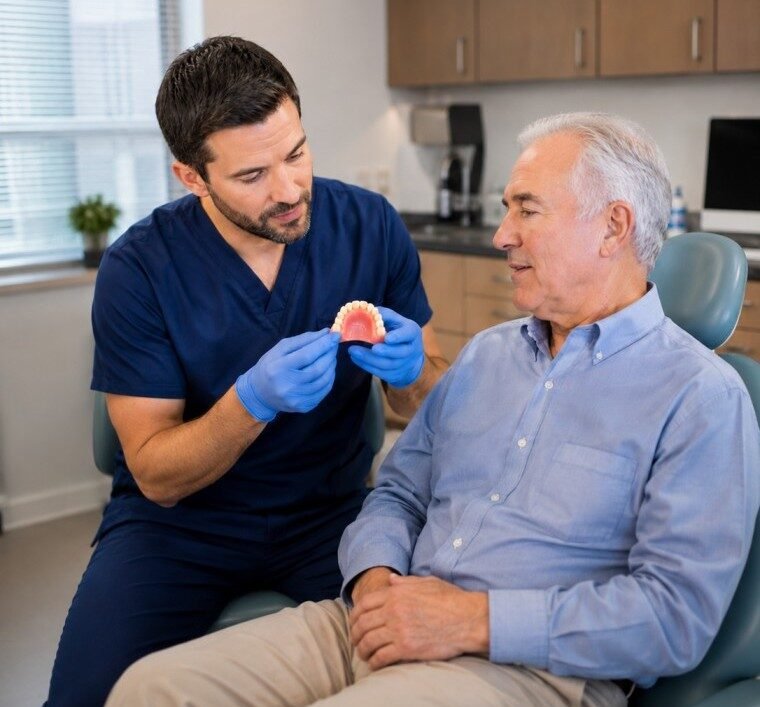
Photographs, imaging, scans, models, or a preview may help. Ask what happens to the natural tooth, what can fail, how repairs work, and whether a less invasive option can meet the goal.
How to Care for Bonding or Veneers
Bonding and veneers still require daily care because the natural tooth can develop decay at an exposed surface or restoration margin. Brush twice daily with fluoride toothpaste and clean between the teeth every day. Follow your dentist’s recommendations for products that are safe for your restorations.
Do not bite fingernails, pens, ice, or packaging. If you grind your teeth, wear a prescribed night guard as directed. Schedule examinations and professional cleanings at the interval recommended for your oral health. Contact the office if a bonded area or veneer feels rough, moves, chips, or changes your bite. Early evaluation may allow a smaller repair and can help protect the tooth underneath.
Choose the Least Invasive Suitable Option
If you’re considering dental bonding or cosmetic dentistry in the Rochester area, schedule an exam before choosing a treatment. During your consultation, you can compare the least-invasive suitable options and receive a personalized treatment estimate.
Flower City Dental of Gates provides bonding, veneers, whitening, and contouring at its Buffalo Road office. Call 585-485-0292 or use the private appointment form to request a cosmetic options consultation. Do not share health details in public comments or social media posts.
Frequently Asked Questions
Is bonding or a veneer better for a chipped tooth?
Bonding may suit a small chip on a healthy tooth with a favorable bite. A veneer may suit a broader concern involving shape, color, or several teeth. A deep crack or weakened tooth may need restorative care.
Which option removes less enamel?
Bonding usually removes less enamel and may require no significant reduction. Porcelain veneers generally require some enamel removal, depending on tooth position, color, and the planned result.
Can bonding stain or chip?
Yes. Composite can stain, lose polish, wear, or chip. Diet, habits, bite pressure, restoration size, and care affect risk. Some problems can be polished or repaired.
How long do bonding and veneers typically last?
Both can last for years, but no single lifespan fits every patient. Bonding often needs maintenance sooner. Porcelain veneers can still chip, loosen, or require replacement. Your teeth and bite affect any estimate.
Can Whitening Be Done Before Bonding or Veneers?
Yes. Whitening changes natural tooth color but generally not existing restorations. Doing it before shade selection can help the dentist match new bonding or veneers.